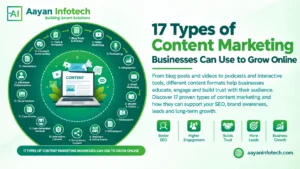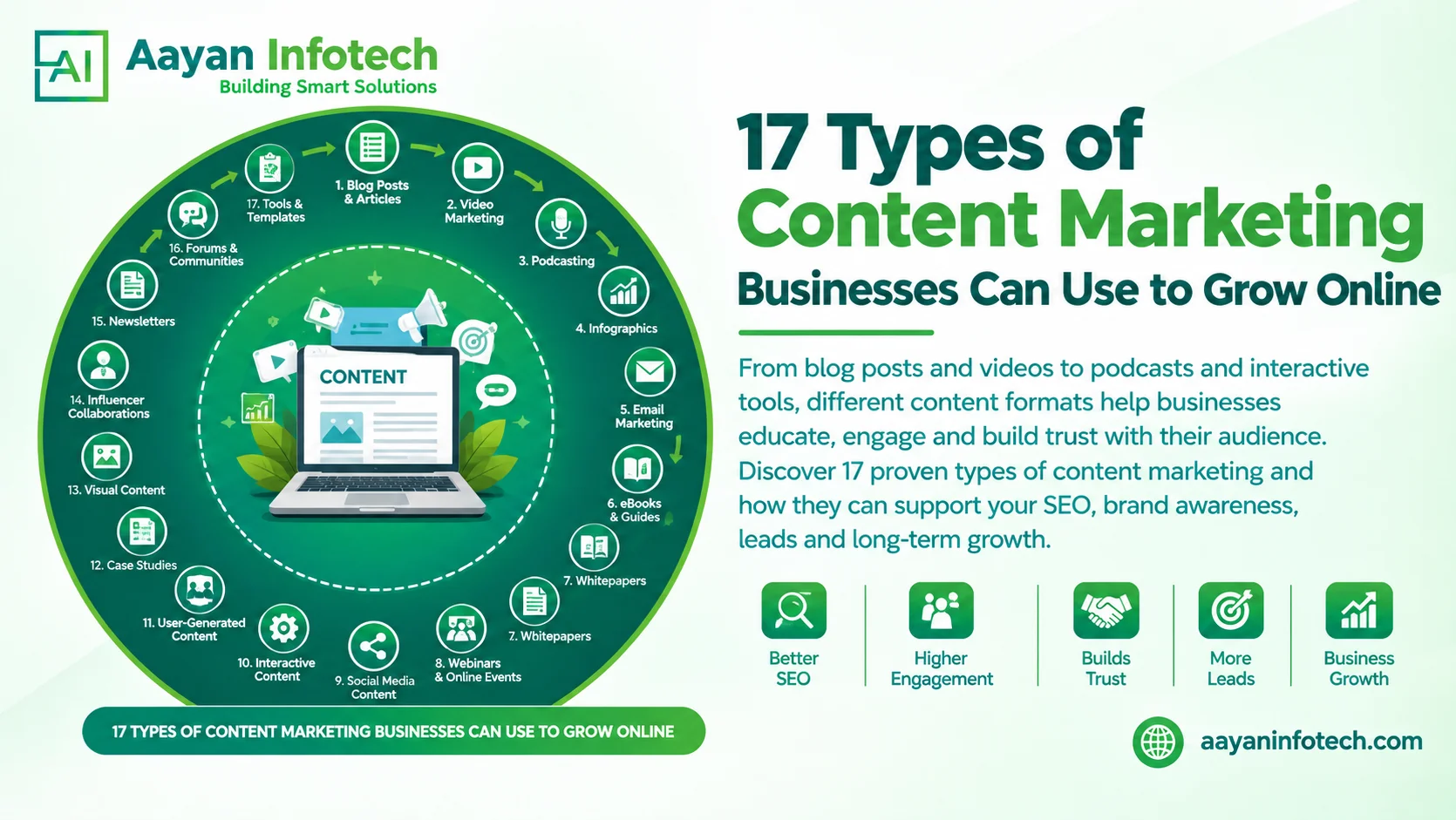
The Types of Content Marketing businesses choose can influence how effectively they attract audiences, build trust, and generate leads. From blog posts and videos to podcasts and interactive tools, different content formats help businesses communicate with potential customers in different ways. Understanding the right Types of Content Marketing can help Indian businesses create a more effective digital marketing strategy.
Content marketing focuses on providing useful, relevant, and engaging information that supports business goals. Instead of relying entirely on advertisements, companies can educate their audiences, answer questions, and demonstrate their expertise through valuable content.
For startups, small businesses, and established organizations in India, the right content marketing strategy can support organic traffic, brand awareness, customer engagement, and lead generation.
Aayan Infotech helps businesses explore technology solutions, including custom software development, AI chatbot development, and blockchain development. By combining useful content with relevant technology services, businesses can communicate their expertise and support their digital growth.
Content marketing is the process of creating and sharing valuable information to attract and engage a specific audience. It includes written articles, videos, graphics, podcasts, educational resources, and other formats that help people understand a topic or solve a problem.
Unlike traditional advertising, which often focuses on promoting a product or service directly, content marketing provides information that audiences can use when researching a decision.
Different content formats serve different purposes. A blog post may explain a complex problem, while a video can demonstrate how a solution works. Choosing formats according to your audience and business objectives is essential.
The following 17 content formats follow the framework covered in the Search Engine Land article, adapted with original explanations and examples for businesses and technology companies. Each format offers different opportunities to educate audiences and support marketing goals.

Blog posts are among the most practical types of content marketing for businesses that want to answer customer questions and improve organic search visibility.
Companies can publish tutorials, industry insights, comparison articles, how-to guides, and educational resources. These articles help potential customers understand a problem before considering a product or service.
For example, an IT company in India could publish an article explaining how to choose the right custom software for a growing business.
How to use blog content effectively:
Well-written articles can support SEO when they match search intent and provide genuine value.

Video marketing uses demonstrations, tutorials, interviews, and short educational clips to communicate information visually. It is particularly useful for explaining products, showing processes, and making technical concepts easier to understand.
For example, Aayan Infotech could create an explainer video demonstrating how an AI chatbot can answer common customer questions and direct complex enquiries to a human representative.
Businesses can publish videos on YouTube, embed them in website articles, and share shorter clips on suitable social platforms. Keep videos focused, use accurate captions, and provide a clear title and description. The format should make the information easier to understand rather than simply repeat a promotional message.

Podcasting allows businesses to share expertise through audio discussions, interviews, and educational episodes. It can help companies build relationships with listeners who prefer consuming information while commuting, exercising, or working.
A technology business could produce podcast episodes about AI adoption, cybersecurity, software planning, or digital transformation.
Possible episode ideas include:
Publishing episode summaries and transcripts can make podcast information easier to find and reference. Businesses should choose topics that their intended audience genuinely wants to hear.
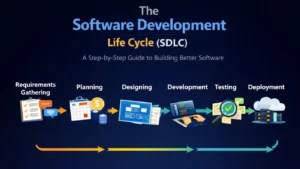
Infographics present information through charts, diagrams, icons, and concise explanations. They are useful when a subject involves multiple steps, comparisons, or data points.
For example, a software development company could create an infographic showing the stages of a software project, from initial requirements to development, testing, and deployment.
An effective infographic should have one clear purpose, readable text, accurate information, and a logical visual structure. Businesses can share infographics on their websites, LinkedIn pages, newsletters, and presentations. When statistics are included, provide reliable sources so readers can evaluate the information.

Email marketing allows businesses to send useful information and updates to people who have subscribed to their communications. Common formats include newsletters, educational email sequences, product updates, onboarding messages, and invitations to webinars.
For example, a technology company could create an email series explaining the questions businesses should ask before investing in custom software.
Effective email marketing involves segmenting audiences where appropriate, writing clear subject lines, providing relevant information, and including a useful next step. Businesses should respect subscriber preferences, obtain appropriate consent, and follow applicable email marketing and privacy requirements.

Visual content includes branded graphics, illustrations, charts, diagrams, and educational images that communicate information quickly. For instance, an IT services company could create a visual comparison of custom software and off-the-shelf software, highlighting differences in flexibility, implementation, and maintenance.
Visual assets work well across websites, social media, presentations, and email campaigns. To make them effective, maintain consistent branding, use readable text, and optimize website images for performance. Add descriptive alt text to meaningful images to support accessibility and help search engines understand their context.

Ebooks and downloadable guides provide detailed information about a specific topic. They are suitable for readers who want a structured resource for researching a problem or evaluating a solution. A technology company could prepare a guide to digital transformation planning or a practical introduction to AI adoption for businesses.
A useful guide should include clear explanations, organized sections, relevant examples, and reliable references. Businesses may offer guides as free downloads. If a visitor must provide contact information, explain how it will be used and collect only what is necessary.

Lead magnets are valuable resources offered to encourage interested prospects to take an action, such as subscribing to an email list or requesting more information.
Examples include downloadable checklists, templates, assessment worksheets, and planning guides.
A software development company could offer a project requirements checklist to help businesses organize their needs before contacting a development team.
A strong lead magnet addresses one specific problem and provides practical value. Avoid making the resource unnecessarily complicated or collecting excessive personal information. The objective is to attract relevant prospects who may genuinely benefit from the company’s products or services.

Whitepapers are detailed documents that examine a business problem, technology, industry development, or potential solution. They are particularly useful for B2B marketing because purchasing decisions often require careful research.
For example, an IT company could publish a whitepaper explaining common software integration challenges and the factors businesses should evaluate before selecting an approach.
Effective whitepapers provide a clear problem statement, evidence, structured analysis, and practical conclusions. Original research can strengthen a whitepaper when the methodology and limitations are explained. Businesses should avoid unsupported statistics and exaggerated claims.
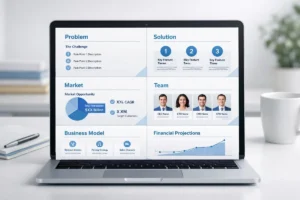
Slide-based presentations can turn detailed information into an organized, easy-to-follow learning experience. Businesses can use them to summarize research, explain technical concepts, outline processes, or introduce a service.
For example, a presentation could explain the key stages of planning a business automation project. Keep each slide focused on one central idea. Use concise wording, relevant diagrams, and reliable supporting information. A written summary can make the content more accessible to readers who prefer text.
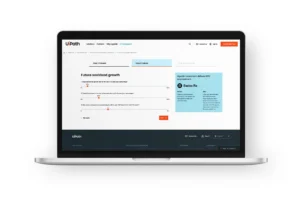
Quizzes, calculators, and interactive tools allow users to participate rather than simply read or watch content. Examples include software cost estimators, technology readiness assessments, website planning tools, and business process evaluation quizzes.
An IT company could create a questionnaire that helps businesses identify processes that may benefit from automation. Interactive tools should solve a specific problem, explain their assumptions, work properly on mobile devices, and protect user data.
Where calculations produce estimates, clearly explain that the results may change depending on project requirements and other factors.

Checklists help users complete tasks systematically and avoid overlooking important steps. They are practical resources for businesses because they can be used immediately.
Examples include:
An IT company could provide a checklist for preparing a software development brief, covering business goals, required features, integrations, security, and maintenance. Keep checklists clear, actionable, and easy to update when processes change.

Online courses provide structured learning through lessons, demonstrations, exercises, and assessments. Businesses can use courses to explain complex subjects in stages, helping audiences develop knowledge at their own pace.
A technology company could create introductory educational resources about AI tools, software planning, or business automation.
Start with a clear learning objective and match the course to the audience’s experience. Include practical examples and explain technical concepts in accessible language. Courses require more planning than short articles, so businesses should consider available expertise, production resources, and ongoing maintenance before launching them.

Webinars are online sessions where businesses explain a topic, demonstrate a solution, and answer questions from participants. They are useful for educating potential customers who need more information before making a business decision.
A software development company could host a webinar about choosing custom software, covering requirements, integrations, security, implementation, and ongoing support. A successful webinar has a defined topic, knowledgeable presenters, practical examples, and time for questions. With appropriate permissions, businesses can turn webinar recordings into shorter videos, articles, and social media posts to extend their usefulness.

Slide decks are presentations used to communicate ideas, explain services, support proposals, or guide business discussions. Although they overlap with online presentations, slide decks often focus on a particular meeting, proposal, or decision-making process.
For example, a technology company could prepare a deck outlining a proposed software project, including objectives, scope, milestones, dependencies, and expected deliverables. Use concise text, clear visuals, and evidence to support important claims. Distinguish confirmed information from assumptions and estimates.
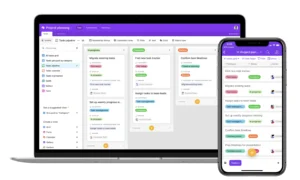
Free apps and digital tools attract users by helping them complete useful tasks. They can also demonstrate a company’s technical capabilities and introduce potential customers to its services.
Examples include a simple project planning application, a content calendar tool, a website assessment utility, or a business process checklist generator.
For an IT company, a useful free tool can demonstrate how technology may simplify a routine task. However, free tools still require maintenance, security checks, testing, and support. Businesses should evaluate these responsibilities before launching an application and clearly explain any limitations.

Social media content helps businesses distribute information, participate in industry discussions, and communicate with potential customers.Common formats include LinkedIn posts, educational carousels, short videos, industry commentary, graphics, and company updates.
For B2B companies in India, LinkedIn can be a relevant channel for sharing professional insights and technology-related information. Businesses can publish posts about software planning, AI applications, cybersecurity considerations, or common industry challenges. Adapt content to each platform instead of publishing identical messages everywhere. Focus on useful interactions, relevant audiences, and meaningful enquiries rather than follower counts alone.
The best content marketing strategies depend on your audience, business goals, industry, and available resources. You do not need to produce every content format to build an effective marketing program.
Start with one format that matches your main objective and your team’s capabilities. For example, a company with strong writing skills might begin with educational blog posts. A business with video production expertise could prioritize demonstrations and tutorials. Focusing on one primary format helps you develop a repeatable process before expanding into additional channels.
Think about the information you need to communicate. Complex software processes may benefit from tutorials and diagrams, while detailed business research may be better suited to articles and whitepapers. There is no single format that works for every industry. Choose the one that explains your topic most effectively.
Research the questions, interests, and problems of your potential customers. eview customer enquiries, relevant search queries, industry discussions, and competitor content. These sources can help identify topics and formats worth testing.
For B2B audiences, professional articles, LinkedIn posts, webinars, and research resources may be relevant. Other audiences may prefer videos, visual content, or interactive tools.
Consider your team’s skills, budget, time, and available technology. A small marketing team may be able to publish high-quality articles and social media content consistently, while a larger team may also produce videos, webinars, and interactive tools. Choose a sustainable approach rather than spreading resources across too many formats.
Publish content where your audience is likely to find and use it. Your website can host articles and guides, YouTube can support video distribution, LinkedIn can reach professional audiences, and email can help maintain subscriber relationships. Use search optimization and relevant internal links to make website content easier to discover.
Review what competitors already publish and identify questions they do not answer well. For example, if competing IT companies mainly publish general service descriptions, you could create detailed implementation guides, practical checklists, or educational demonstrations. The aim is to provide useful information that is missing from the market, not simply reproduce existing content.
Once your primary content format produces useful results, introduce another format that complements it.
For example, turn a successful article into a LinkedIn carousel or a short explainer video.
Gradual expansion allows your team to learn what works on each platform without sacrificing quality or consistency.
Content repurposing means adapting an existing resource into additional formats to reach audiences through different channels.
For example, one detailed article about AI chatbots could become a LinkedIn post, an infographic, a short video, and an email newsletter.
Other practical approaches include:
Repurposing saves time, but each format needs its own treatment. Adapt the length, structure, tone, and examples to the intended platform rather than copying content word for word.
Aayan Infotech can use the following ideas to explain technology concepts and help businesses understand potential solutions.
| Technology area | Suggested content format | Example topic |
| Custom software development | Blog article | How to Prepare Requirements for a Custom Software Project |
| AI chatbot development | Explainer video | How AI Chatbots Can Support Customer Service |
| Blockchain development | Infographic | Understanding Business Applications of Blockchain |
| Business automation | Downloadable checklist | How to Identify Repetitive Business Tasks |
| Technology consulting | Webinar | Questions to Ask Before Choosing a Technology Solution |
These formats help explain technical subjects in practical terms. Content should remain educational, accurate, and relevant to the needs of the intended audience.
Measure content according to the purpose it is intended to serve.
Tools such as Google Analytics 4 and Google Search Console can help businesses evaluate website and search performance.
Do not judge every content format using the same metric. An educational article may attract search traffic, while a webinar may generate fewer visitors but more qualified enquiries.
Review results over time and improve content based on evidence.
Aayan Infotech is an India-based technology company offering technology services that include custom software development, AI chatbot development, and blockchain development.
Businesses exploring digital initiatives need to understand their requirements, evaluate suitable technologies, and consider implementation, security, integrations, and ongoing maintenance.
Educational content can help businesses research these decisions before contacting a technology provider. Articles, demonstrations, and practical guides can explain potential approaches and clarify the questions customers should ask.
If your organization is evaluating a software project or exploring AI-powered solutions, visit the Aayan Infotech website to review relevant services.
Ready to explore technology solutions for your business? Contact Aayan Infotech through its website to discuss your requirements and identify services that may support your objectives.