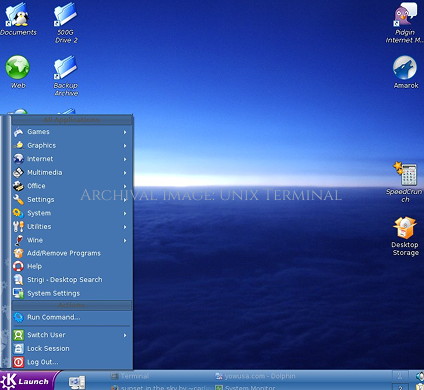
From the command lines of UNIX to the graphical windows of the 90s. Witness the explosion of software that brought computing from the laboratory to the living room.
“The grandfather of modern operating systems.”
Developed at Bell Labs by Ken Thompson and Dennis Ritchie, UNIX introduced a modular approach to system design, with the philosophy that "everything is a file."
Its portability and multi-user capabilities laid the groundwork for the internet infrastructure and nearly all modern OS architectures, including Linux and macOS.
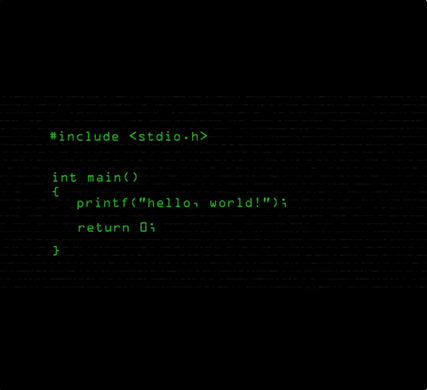
“The universal language of systems.”
Throughout the 1970s and 80s, C became the de facto standard for system programming. Its close-to-hardware efficiency combined with high-level abstraction made it perfect for writing operating systems.
The publication of "The C Programming Language" by Kernighan and Ritchie cemented its status as a mandatory skill for serious programmers.
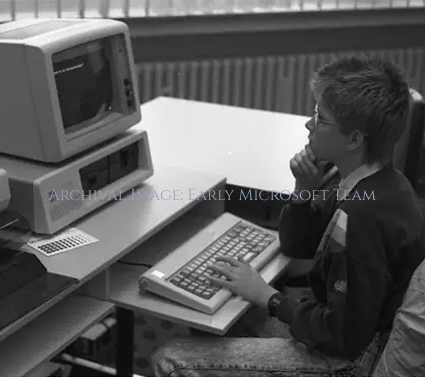
“A computer on every desk and in every home.”
Bill Gates and Paul Allen founded Microsoft to develop a BASIC interpreter for the Altair 8800. This moment marked the beginning of the personal computer software industry.
Their vision shifted value from hardware to software, creating a new economic model that would dominate the tech world for decades.
“The spark that ignited the PC revolution.”
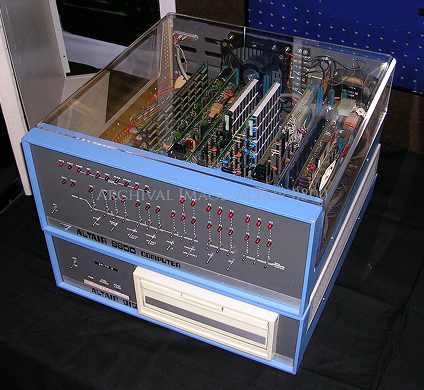
Featured on the cover of Popular Electronics, the Altair 8800 was the first commercially successful personal computer kit. It inspired a generation of hobbyists to build their own machines.
Though it lacked a keyboard and screen initially, it created the market demand that Apple, IBM, and Microsoft would eventually fill.
“Simplicity is the ultimate sophistication.”
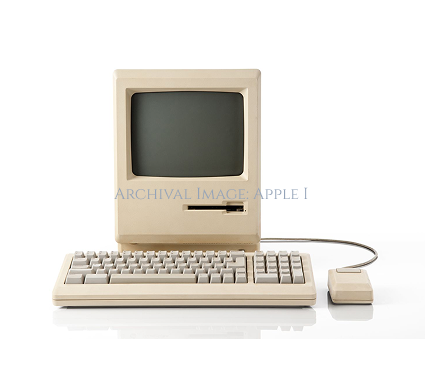
Steve Jobs and Steve Wozniak founded Apple Computer, introducing the Apple I and shortly after, the Apple II—the first successful mass-produced microcomputer.
Apple brought design and usability to the forefront, transforming computers from obscure electronics into desirable consumer appliances.
“The first standard operating system for microcomputers.”
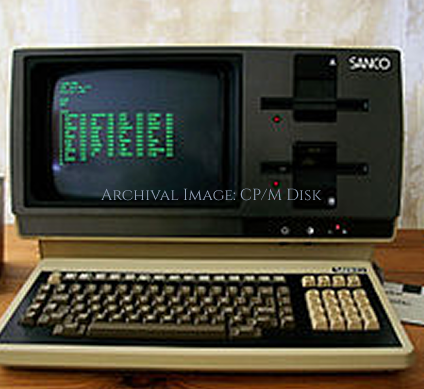
Created by Gary Kildall, CP/M (Control Program/Monitor) was the dominant operating system for 8-bit Intel 8080 and Zilog Z80 based microcomputers.
It introduced the BIOS concept, separating hardware- dependent code from the OS kernel, allowing software to run across different machine architectures.
“Structuring the world's data.”
Larry Ellison co-founded Oracle to build the first commercial SQL relational database system, inspired by an IBM research paper.
Oracle revolutionized enterprise computing by providing a reliable, scalable way to manage vast amounts of data, becoming the backbone of global business operations.
“The killer app that sold computers.”
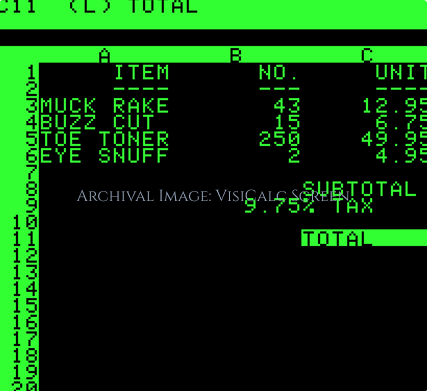
VisiCalc was the world's first electronic spreadsheet for personal computers. It turned the Apple II from a hobbyist toy into a serious business tool.
By digitizing accounting ledgers, it demonstrated the true power of personal computing to the corporate world.
“The standard that defined an industry.”
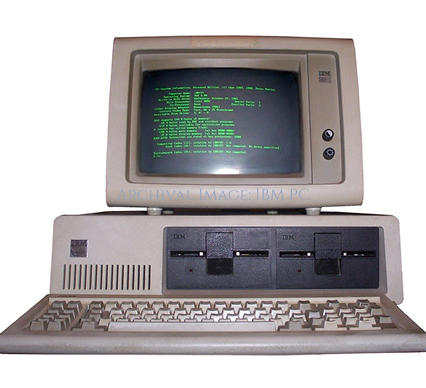
The release of the IBM Personal Computer (Model 5150) legitimized the PC market. IBM's open architecture allowed other manufacturers to create "IBM clones."
This decision effectively created the "PC" standard that persists today, separating the hardware platform from the operating system.
“The command line heard 'round the world.”
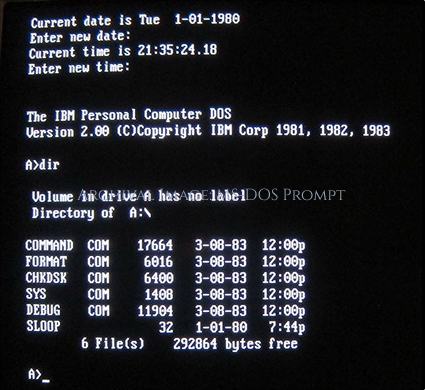
Microsoft Disk Operating System (MS-DOS) became the standard OS for the IBM PC. Microsoft licensed it to IBM while retaining the rights to sell it to other PC clone makers.
This brilliant strategic move established Microsoft's dominance over the software market for the next two decades.
“C with Classes: Power meets abstraction.”
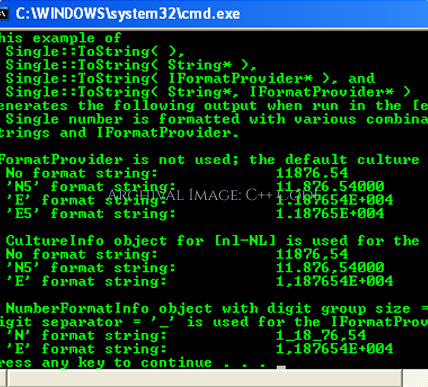
Developed by Bjarne Stroustrup, C++ added object- oriented features to the C language. It provided high- level abstraction without sacrificing low-level performance.
It became the dominant language for system software, game development, and high-performance applications, a status it holds to this day.
“Hello.”
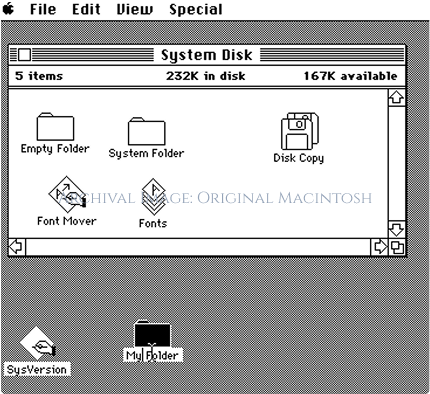
Apple launched the Macintosh with an iconic Super Bowl commercial. It was the first mass-market PC to feature a Graphical User Interface (GUI) and a mouse.
The Mac redefined the user experience, moving away from cryptic text commands to intuitive icons, windows, and menus.
“Bringing the GUI to the masses.”
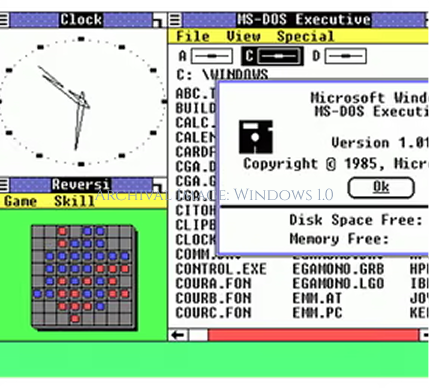
Microsoft released Windows 1.0 as a graphical shell for MS-DOS. While initially limited, it evolved into the dominant operating system for personal computers.
Windows standardized the desktop interface for the vast majority of the world's computer users, creating a massive ecosystem for software developers.
“Free software for the world.”
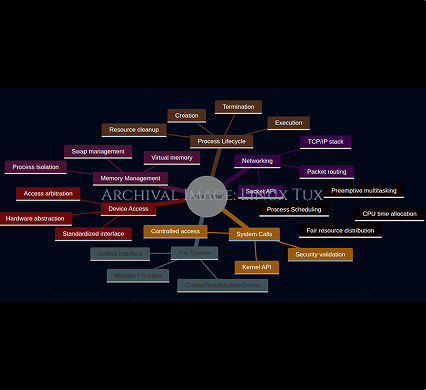
Linus Torvalds released the Linux kernel as a free hobby project. It combined with the GNU project to create a fully open-source operating system.
Linux demonstrated the power of collaborative development, eventually powering the majority of the internet's servers and all supercomputers.
“Software eats the world.”
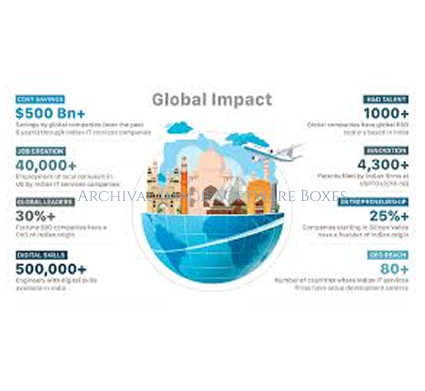
By the mid-90s, software had become a massive global industry. Giants like Adobe, SAP, and Autodesk reshaped creative work, enterprise management, and engineering.
This era solidified software as a primary economic driver, setting the stage for the dot-com boom and the modern digital economy.
The age of the internet, mobile computing, and artificial intelligence.
Explore Next Era →