
Press Releases

Image
Loading

The Evolution of
Computing

From mechanical roots to the AI revolution — explore the milestones that shaped modern software.

The Birth of
Computing Machines

From the ancient Abacus to Charles Babbage’s Analytical Engine, discover how mechanical innovation laid the foundation for the digital world we live in today.

The Rise of
Digital Technology

Explore the evolution from room-sized mainframes to personal computers, and witness how microprocessors transformed computing into a tool for every home and business.

From Abacus to ARTIFICIAL INTELLIGENCE

2700 BC
The Abacus

The first attempt to organize chaos into calculation. Wooden beads on rods laid the groundwork for binary systems that would emerge millennia later.

1837
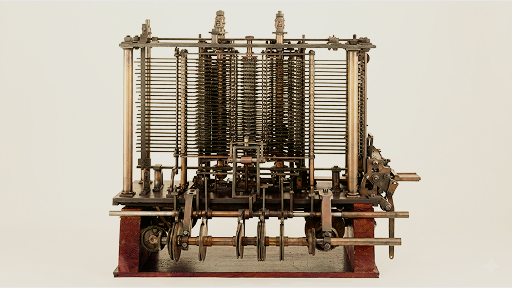
Analytical Engine

A cathedral of brass gears. Charles Babbage's design for a programmable machine promised to weave algebraic patterns like flowers.
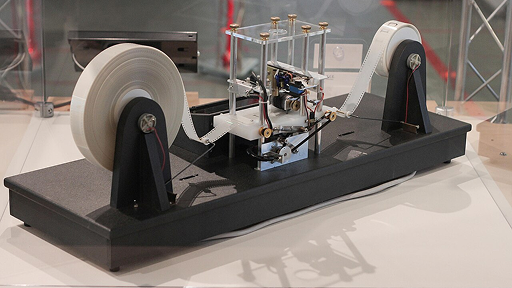
1936
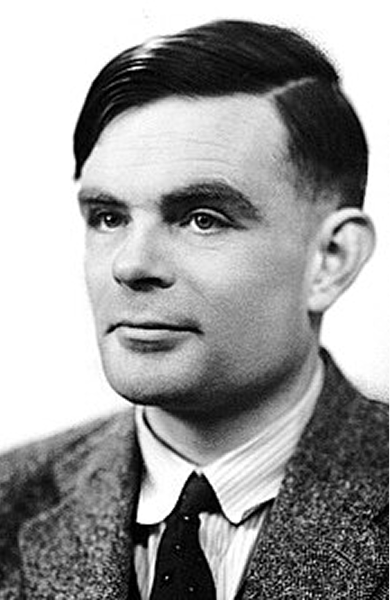
Turing Machine

Alan Turing defined the theoretical limits of computation. A simple tape, a reading head, and the birth of modern software logic.

1957
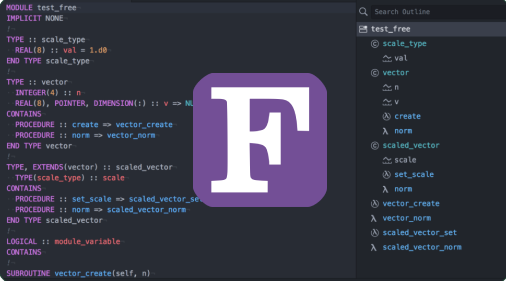
FORTRAN

Computing left pure hardware for language. Scientists could finally speak to machines, unlocking simulations of the physical world.
1989
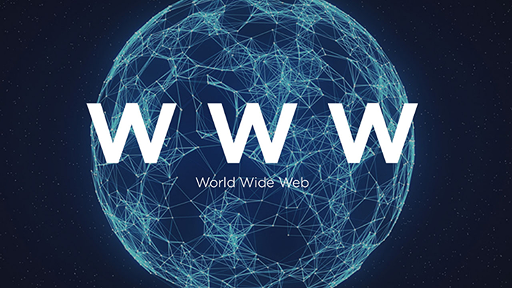
World Wide Web

Tim Berners-Lee weaves the planet together. Information becomes fluid, borders dissolve, and collective knowledge becomes accessible to all.

AI

The Era of AI

We stand at the edge of a new era, where AI is no longer just a tool, but an intelligent partner shaping the future.
2026

Technology Waves That Built
the Modern Software World

A curated journey through the ten defining eras of software history, from the Personal Computer revolution to the dawn of Artificial Intelligence.

01
1980s

PC REVOLUTION

Challenge
Centralized, inaccessible computing power.

Change
Desktop computing for individuals.

Achievement
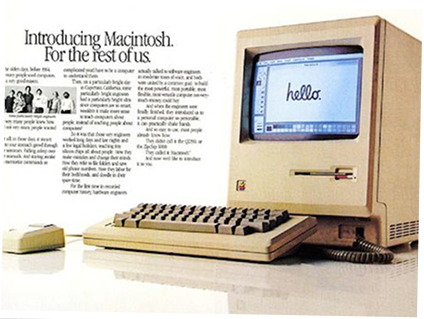
Microsoft Windows & Macintosh.

02
1990s

THE INTERNET

Challenge
Information silos and disconnected systems.

Change
Global connectivity and the World Wide Web.

Achievement
Netscape, Google, Email.

03
2007

MOBILE ERA

Challenge
Tethered access to digital services.

Change
Ubiquitous computing in your pocket.

Achievement
iPhone, App Store, Android.

04
2008

Cloud Computing

Challenge
High upfront infrastructure cost.

Change
On-demand scalable computing.

Achievement
AWS, Azure, Google Cloud.

05
2010

SaaS Model

Challenge
Expensive software licenses.

Change
Subscription-based continuous delivery.

Achievement
Salesforce, Slack, Zoom.

06
2004

Social Networks

Challenge
Physical limits of social interaction.

Change
Digital network effects & identity.

Achievement
Facebook, LinkedIn, Twitter.

07
2012

Big Data

Challenge
Unstructured, massive information overflow.

Change
Predictive analytics and insights.

Achievement
Hadoop, Snowflake, Databricks.

08
2009

Crypto / Web3

Challenge
Centralized financial intermediaries.

Change
Decentralized trust and ownership.

Achievement
Bitcoin, Ethereum, NFTs.

09
2015

VR / AR

Challenge
Flat, 2D digital interaction.

Change
Immersive spatial computing.

Achievement
Oculus, Vision Pro.

10
Present Data

Artificial Intelligence

Challenge
Human limitations in processing speed.

Change
Automated reasoning and creation.

Achievement
LLMs, Generative AI, Neural Networks.

INDUSTRY LEADERS

Titans of Industry

IBM

Pioneers of the mainframe and enterprise computing era.

MICROSOFT

Democratizing personal computing through software.

GOOGLE

Organizing the world’s information.

AMAZON

Infrastructure for the modern web and commerce.

ORACLE

Database systems powering global enterprises.

ADOBE

The standard for creative digital expression.

SAP

Enterprise resource planning at scale.

RED HAT

Open source solutions for the enterprise.

AAYAN INFOTECH

Leading innovation in next-gen digital solutions.
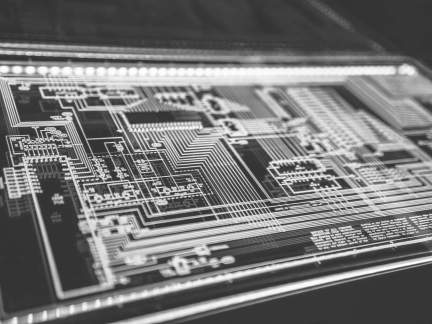
The Evolution of
Computing

From Mechanical Roots to Digital Revolution
01
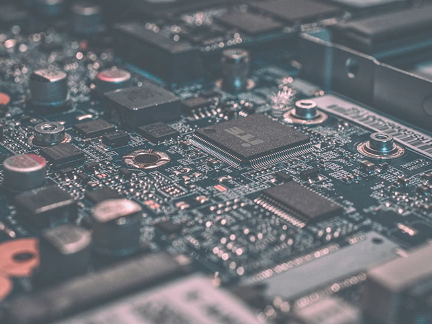
Vacuum Tubes
The First Electronic Brains
Before silicon chips, computing relied on fragile, heat-generating glass bulbs. These vacuum tubes acted as switches and amplifiers, powering the colossal machines that filled entire rooms. They were temperamental and power-hungry, yet they marked the pivotal shift from mechanical calculation to electronic processing.
View Artifact →
02
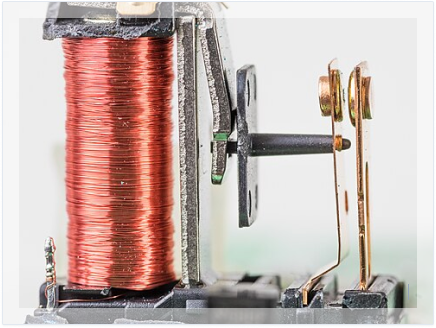
Relay Switches
Electromechanical Logic
The clicking heartbeat of early computing. Relays were electromechanical switches that physically opened and closed circuits to represent binary data. While slower than tubes, they were robust and logical—literally bridging the gap between the physical motion of gears and the silent flow of electrons.
View Artifact →
03
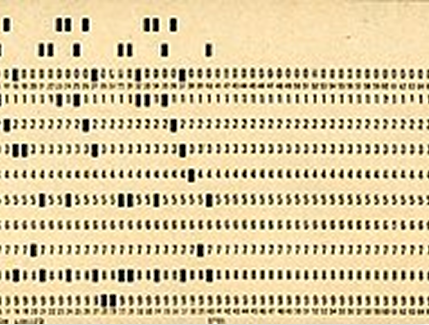
Punch Cards
Programming Before Screens
Data storage in its most tactile form. Stiff paper cards with perforated holes held the instructions for the world's most powerful machines. A dropped stack could mean days of reordering code. This medium dominated data processing for nearly a century, from the 1890 census to the mainframe era.
View Artifact →
04
Early Consoles
The Operator's Domain
Before keyboards and monitors became standard, operators communicated with machines through banks of toggle switches and blinking incandescent lamps. These consoles were the cockpits of computation, requiring intimate knowledge of binary to interpret the machine's state in real-time.
View Artifact →
05
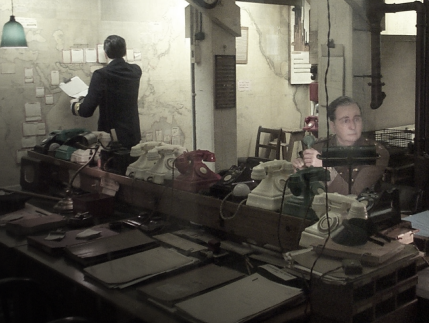
War-Time Rooms
Deciphering History
In high-security bunkers and converted mansions, early computers like Colossus were built not for commerce, but for survival. These room-sized machines broke unbreakable codes, shortening global conflicts and proving that information could be a weapon more powerful than artillery.
View Artifact →
06
 First Commercial Comp. Ad
Entering the Business World
As the technology matured, the focus shifted from ballistics to payrolls. Vintage advertisements promised a new era of "Electronic Data Processing" for the modern corporation. These layouts captured the optimism of the 1950s and 60s, selling the future to executives one mainframe at a time.
View Artifact →
🏅
FLYGRS
MEDAL OF EXCELLENCE
PRESTIGIOUS DISTINCTION
2026

TECHNOLOGY
CONTRIBUTION
AWARD

OpenAI

“For monumental advancements in generative models that have redefined the boundaries between human creativity and machine synthesis.”